Bellingham, WA · Whatcom County
Fire Odor Removal in Bellingham, WASmoke Odor Sealing Service & Smoke Odor Neutralization Service
Fire Odor Removal in Bellingham removes lingering smells with thermal fogging odor treatment, smoke residue surface cleaning and ozone generator odor removal.
Answered 24/7
Professional Fire Odor Removal in Bellingham, WA
Smoke restoration in Bellingham deals with both visible soot and the invisible odor that lingers. It is needed to make a home safe and comfortable again after the fire is out.
Fire Odor Removal in Bellingham and nearby areas like Geneva, Marietta-Alderwood and Sudden Valley deals with smoke that has worked into homes and businesses. Local odor remediation experts use thermal fogging and ozone treatment to neutralize odor deep in materials for a full result.
Complete Fire Odor Removal Solutions for Bellingham
Smoke Odor Sealing Service
A sealing primer applied to wood framing and other porous materials locks odor molecules in place.
Smoke Odor Neutralization Service
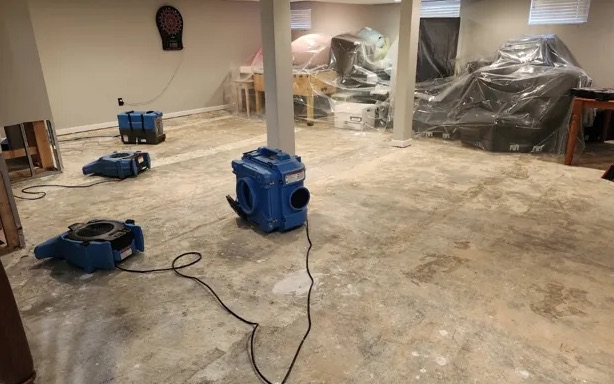
The experts run commercial HEPA air scrubbers to capture smoke particles moving through the home's air.
HVAC Duct Smoke Cleaning
Negative air machines pull soot lining out of ducts, so the system moves clean air again.
Emergency Smoke Odor Containment
Pros close HVAC vents and isolate rooms with plastic sheeting to keep odor from spreading after a fire.
Ozone Generator Odor Removal
Ozone oxidizes smoke odor compounds in closed spaces, breaking them down instead of masking them.
Warning Signs You Need Fire Odor Removal
Smoke Damage Inside HVAC Vents
A smoky odor from the vents means smoke residue is inside the ductwork.
Smoke Odor in Closed Cabinets
A strong smell inside closed cabinets or closets shows how far the smoke reached.
Health Symptoms in Family Members
Headaches or allergies at home after a fire are a reason to deal with the smoke smell.
Odor Intensifies With Heat or Humidity
A fire smell that gets stronger on warm or humid days means odor is stored in materials.
How Fire Odor Removal Works in Bellingham
Step 1: Site Safety and Hazard Mitigation Setup
The experts set up containment, air filtration and protective gear before any hands-on work.
Step 2: Mechanical Soot Removal From All Surfaces
Soot is removed mechanically from walls, ceilings and fixtures before any odor treatment.
Step 3: Application of Targeted Deodorizing Agents
Deodorizers and sealers suited to each material treat the odor left by different fire sources.
Step 4: System-Wide Air Purification Finalization
Air purification runs for an extended period to make sure all the air in the house is clean.
Sources of Smoke Damage Odors in Bellingham Homes
Fireplace or Chimney Backdraft
A chimney backdraft can blow smoke into living areas and leave strong odor nearby.
Wildfire Smoke Infiltration
Wildfire smoke can enter through small openings and leave odor-causing particles behind.
Contained Oven or Stovetop Fire
Even a small cooking fire sends smoke through the HVAC system and into other rooms.
Vehicle or Machinery Exhaust Fumes
Exhaust from an attached garage carries combustion odor that clings to surfaces.
Fire Odor Removal Services for All Properties in Bellingham
Residential Fire Odor Removal
At home, smoke settles in attics and crawl spaces, so pros purify the air there and clean belongings carefully.
Commercial Fire Odor Removal
In hotels and multi-unit buildings, odor can move between units, so specialists contain it and use ozone to protect other tenants.
Fire Odor Removal vs. DIY: When to Call Odor Remediation Experts
You can vacuum upholstery and carpet with a HEPA vacuum to remove loose soot and clean visible residue from windows and mirrors. For odor in fabrics or walls, contact the experts, since the wrong cleaning can set odors.
Estimating Fire Odor Removal Costs for Bellingham Properties
The cost in Bellingham depends on how far the smell went into porous materials and how much square footage is affected, along with soot levels and air treatment needed.
Affected Square Footage
The total area needing odor treatment drives labor, equipment and material costs.
Soot Residue Level
Heavy, oily soot takes more labor and specific cleaners to remove from surfaces.
Emergency Containment Needs
Without early containment, odor may have spread further, enlarging the work area and cost.
Does Insurance Cover Fire Odor Removal?
Coverage for smoke restoration depends on your individual policy. Pros keep a thorough record of the damage for you to give your insurer for review.
Selecting Local Experts for Fire Odor Removal in Bellingham, WA
Advanced Air Purification Technology
Hydroxyl generators and HEPA filtration clean smoke odor and particles out of the air.
24/7 Emergency Response
Pros are available around the clock to contain odor after a fire.
Content-Centric Cleaning Process
Belongings are cleaned and deodorized to save as many items as possible.
24/7 Emergency Fire Odor Removal Available in Bellingham
Smoke damage does not keep business hours. For urgent cleanup and odor containment, call (360) 685-7801 at any time to reach local experts.
Call Now (360) 685-7801Fire Odor Removal Coverage in and Around Bellingham
Local experts remove airborne particles and surface residue for homes in Bellingham and towns such as Geneva, Marietta-Alderwood and Sudden Valley.
Your Fire Odor Removal Questions Resolved
How is smoke residue surface cleaning performed?
With chemical sponges, cleaners and methods suited to the soot type, from dry wiping to agitation for tough residue.
What does emergency smoke odor containment involve?
Sealing off areas with plastic, filtering air with negative air machines and closing vents so odor does not spread.
What's the difference between masking and eliminating smoke odor?
Masking covers the smell for a while, while elimination neutralizes or seals odor molecules for a lasting result.
What is involved in content cleaning for smoke damage?
Belongings are assessed, cleaned and deodorized with methods like dry cleaning, wet cleaning or ozone chambers.
Are smoke cleanup services needed for a small kitchen fire?
Yes. Even a small kitchen fire spreads greasy soot and odor through vents into nearby materials.