Bow, WA · Skagit County
Water Damage Restoration in Bow, WAWater Damage Repair & Mold Remediation
Water Damage Restoration in Bow covers water removal, mold remediation and water damage repair from local water removal pros.
Answered 24/7
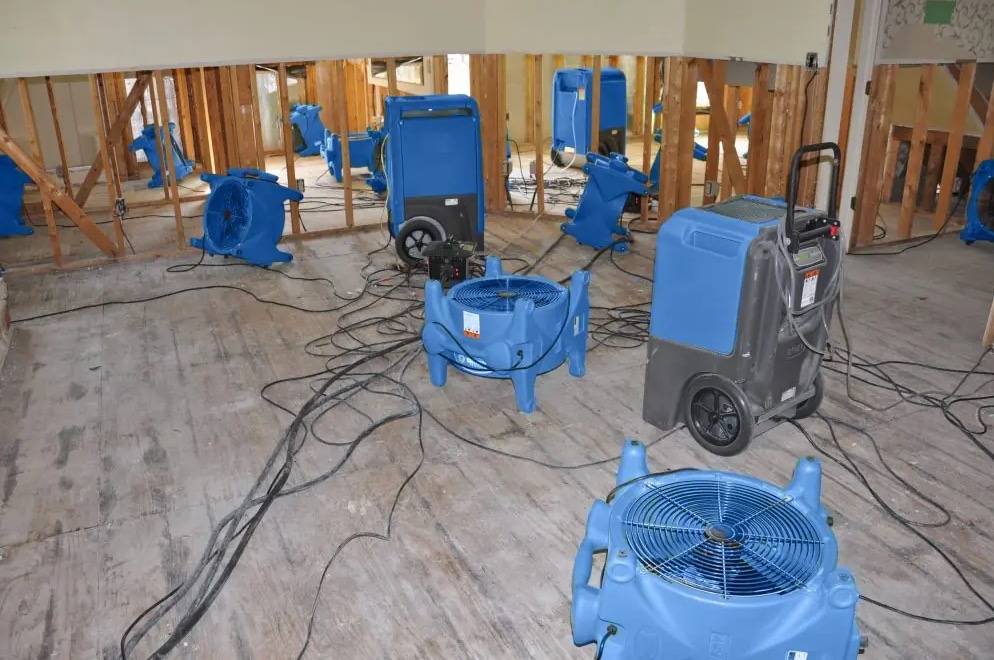
Professional Water Damage Restoration in Bow, WA
Most water damage in Bow starts small: a supply line under a sink, a water heater that gives out or a roof leak after heavy rain. Local water removal pros remove the water and dry what it soaked.
Each wet area is checked with a moisture meter, and the readings are logged until the materials test dry.
In Bow and nearby Alger, Bay View and Burlington, most water damage starts with plumbing failures or appliance leaks. The pros extract the water and dry the structure, 24/7, for homes and businesses.
Available Water Damage Restoration in Bow
Each service below has its own page covering the warning signs, the work involved and what affects the cost.
Water Damage Services in Bow
Help for leaks, burst pipes, flooded rooms and wet ceilings, from water extraction to structural drying.
Indicators You Require Water Damage Restoration in Bow
Warped or Buckling Hardwood Floors
Wood floors that cup or separate have absorbed water. Caught early, controlled drying can often save the boards.
Unusual Water Stains on Ceilings
Discolored patches or rings on the ceiling usually mean a slow leak from a pipe or the roof above.
Crumbling Drywall Around Windows
Stains or soft drywall below a window after rain point to a failed seal letting water into the wall.
Bubbling or Peeling Paint
Paint that blisters or peels away from the wall has moisture underneath. Repainting before it dries only hides the problem.
Soft or Sagging Drywall
Drywall that feels spongy or starts to bulge is holding water and can crumble if it is not dried.
How Water Damage Restoration Works in Bow
Step 1: Site Inspection and Moisture Mapping
Moisture meters and thermal cameras show how far the water went, and the readings become a moisture map for the job.
Step 2: Water Removal Process
Submersible pumps and wet vacuums remove water from carpet, under flooring and other hard-to-reach spots.
Step 3: Targeted Drying and Monitoring
Drying equipment goes where the moisture map shows water, and pros adjust it each day as readings change.
Step 4: Mold Prevention and Cleanup
As drying finishes, surfaces are treated to slow mold growth. Any existing mold is removed under containment.
Frequent Sources of Water Damage in Bow
Sprinkler System Leaks or Breaks
A broken underground irrigation line soaks the soil around the house, and that water can seep inside.
Roof Leaks From Damaged Shingles
Missing, cracked or aging roofing lets rain into the attic and then the ceilings below.
Appliance Malfunctions and Failures
Water heaters, washing machines and dishwashers leak or overflow when hoses wear out or parts fail.
Burst or Leaking Supply Lines
High water pressure, corrosion or a loose fitting can make a pipe fail and release water fast.
HVAC Condensate Drain Line Clogs
A blocked AC drain line makes the drain pan overflow, leaking water into walls or ceilings.
Home and Business Water Damage Restoration in Bow
Residential Water Damage Restoration
Older and custom homes have plaster, woodwork and finishes worth saving. Pros use targeted drying to keep demolition to a minimum.
Commercial Water Damage Restoration
Medical offices and schools need disinfection and a fast return to use. Pros handle sewage cleanup and drying with as little disruption as possible.
DIY vs. Professional Water Damage Restoration in Bow
If it is safe, turn off the main water valve and move small valuables out of the water. Stay away from wet outlets and sagging ceilings. For water removal and drying, call the pros in Bow.
Estimating Water Damage Restoration Expenses in Bow
Home costs in Bow depend on the repairs needed after drying, from a little paint to new walls or subfloor.
Duration of Saturation
The longer water sits, the deeper it soaks and the more likely mold becomes, which widens the job.
Access and Containment
Crawl spaces and wall cavities are harder to reach and may need extra access work or containment.
Affected Square Footage
The larger the wet area, the more labor, equipment and drying days the job needs.
Material Absorption Rates
Drywall, insulation and carpet hold more water than concrete or tile, so they take longer to dry or need replacing.
Does Insurance Cover Water Damage Restoration?
Coverage usually depends on whether the cause is a covered peril in your policy. Pros document the damage, including moisture in the structure. Ask your insurer what applies.
Why Training and Equipment Matter for Water Damage Restoration
Containment Protocols
Plastic barriers keep dust, spores and odors out of the rest of your Bow home during the work.
Structural Drying Expertise
Air movers and dehumidifiers are placed to suit your home's layout and materials, not set out at random.
Clear Communication
You get a plain explanation of the plan, the equipment and the expected drying and repair timeline.
Advanced Moisture Detection
Thermal cameras and moisture meters find water inside walls and under floors before it causes damage you cannot see.
24/7 Emergency Water Damage Restoration for Bow
Burst pipe or flooding appliance? Call (360) 685-7801 now. The pros provide 24/7 water removal and structural drying in Bow, nights and weekends included.
Call Now (360) 685-7801Frequently Asked Questions About Water Damage Restoration
How does storm damage differ from other water damage?
Storms often cause several kinds of damage at once, such as roof, window and water damage, so the roof or wall opening has to be fixed as well as the inside dried.
What is involved in mold remediation after water damage?
Containment, removal of moldy porous materials, HEPA vacuuming, antimicrobial treatment and a check that the area is dry.
What is the first step in water damage restoration?
Removing the standing water. Extraction stops it from soaking further into floors, walls and belongings.
What happens during the flood cleanup process?
Extracting water, removing wet materials that cannot be saved, cleaning and disinfecting surfaces, then drying what remains.
What does water mitigation mean?
The first actions that keep damage from spreading: extracting water, setting drying equipment and removing wet materials.
Does water damage always lead to mold?
Not always, but mold is likely if wet materials are not dried within 24 to 48 hours.
All Restoration Services in Bow, WA
Local Water Damage Restoration Areas Including Bow
In Bow, a census-designated place in Skagit County, the pros handle water removal, structural drying and mold remediation, in town and in nearby Alger, Bay View and Burlington.