ZIP 98264 · Lynden, WA · Whatcom County
Water Damage Restoration in 98264Water Extraction & Storm Damage Repair
Water Damage Restoration in Lynden by local restoration pros includes water removal, water extraction, flood cleanup and structural drying.
Answered 24/7
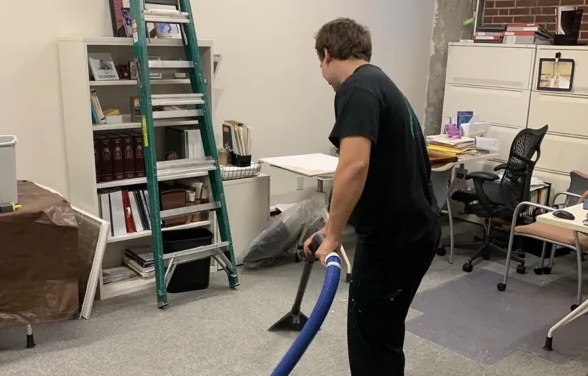
Water Damage Restoration Response in Whatcom County
In Lynden, water can damage building materials and indoor air. The pros restore homes and businesses, cleaning up sewage backups and drying the structure.
In Lynden and nearby Everson, Nooksack and Ferndale, the pros clean up sewage backups and repair water damage step by step, drying the structure until readings are normal.
Water Damage Restoration Services in 98264
Water Extraction
Soaked carpet and pad hold water that standard pumps miss. The pros in Lynden extract it deeply, which often saves the flooring.
Storm Damage Repair
Storm damage repair fixes a property's structure and finishes after initial drying. It involves carpentry, drywall, painting, and flooring work. The pros in Lynden manage these projects to completion.
Structural Drying
After water removal, air movers and dehumidifiers draw moisture out of walls and ceilings. The pros in Lynden track readings until materials are dry.
Water Damage Repair
Water damage repair reconstructs materials that could not be saved. It includes installing new drywall, baseboards, flooring, and paint.
Water Removal
Quick water removal in Lynden extracts standing water using powerful pumps. This first step helps prevent further damage to floors and base materials.
When to Call for Water Damage Restoration in 98264
Sagging or Bubbling Drywall
Drywall that swells, sags or bubbles has absorbed a lot of water and needs drying or removal.
Visible Mold Patches
Any visible mold, especially after a leak, means moisture has stayed long enough for spores to grow.
Water Stains on Ceilings
Yellow or brown ceiling stains indicate an ongoing water leak from above. The pros should inspect to identify the hidden source.
Puddles Around Appliances
Standing water near a water heater, washer or fridge means a leak. Call (360) 685-7801 before it spreads further.
How Water Damage Restoration Works in 98264
Step 1: Source Stop and Water Extraction
First, the water source is contained or repaired. Then, experts perform thorough water extraction from all affected surfaces and materials.
Step 2: Air Circulation and Drying
Air movers push air across wet surfaces to speed up evaporation from floors and walls.
Step 3: Antimicrobial Application
After drying, surfaces that stayed wet are treated with an antimicrobial to help keep mold from starting.
Step 4: Repair and Documentation
Any necessary water damage repair is performed to restore the property. Detailed documentation, including photos, is compiled for your insurance provider.
Typical Water Damage Triggers in 98264
Foundation Cracks and Seepage
Hydrostatic pressure can push groundwater through foundation cracks into basements. Flooded basement cleanup and exterior waterproofing are typical solutions.
Roof Leaks From Storm Damage
Wind-driven rain, hail or fallen debris can break through roofing and let water into the home.
Appliance Malfunctions and Leaks
Water heaters, washing machines, dishwashers and refrigerators can leak or overflow suddenly and flood the floor.
Bathroom Fixture Failures
Failed toilet seals, overflowing tubs and leaking shower pans soak carpet and subfloors over time.
Home and Business Water Damage Restoration in 98264
Residential Water Damage Restoration
Attic water damage from roof leaks can ruin insulation and decking, affecting energy bills. The pros perform attic drying and may remove wet insulation.
Commercial Water Damage Restoration
Warehouses and plants need heavy-duty water removal over large areas after drainage failures or sprinkler discharges, to protect machinery and storage.
Hiring Restoration Pros vs. DIY Water Damage Cleanup
For a minor bathroom overflow, use towels and a squeegee on tile. Check for water under the toilet base. Running a dehumidifier can help. If water is under baseboards or subfloor damage is suspected, professional water damage cleanup is necessary.
Understanding Water Damage Restoration Costs in 98264
Cost for water damage cleanup in Lynden depends heavily on the water's source. Clean water from a supply line is less complex than contaminated sewage, which demands specialized safety and disposal procedures, increasing overall expense.
Drying Time Required
How long air movers and dehumidifiers must run affects equipment cost and job length.
Emergency Service Timing
Night and weekend extraction can carry a different rate than work during business hours.
Affected Materials
Restoration costs vary if water damages drywall, hardwood floors, or custom cabinetry, as each material has different repair or replacement requirements.
Does Insurance Cover Water Damage Restoration?
For storm damage, check whether wind-driven rain or hail is covered. The pros record the damage with photos and notes, giving you a file to submit to your insurer.
Selecting Local Pros for Water Damage Restoration in 98264
IICRC-Standard Methods
The pros follow industry standards for water removal and drying, which helps prevent mold.
Integrated Service Approach
One set of pros handle the job from the first water removal to the final repairs.
Thorough Structural Drying
Air movers and dehumidifiers dry the structure and contents until readings are back to normal.
24/7 Emergency Water Damage Restoration in 98264
A flooded basement or sewage backup requires urgent professional attention to protect your property and health. Don't delay. Reach the pros in Lynden for assistance by calling (360) 685-7801.
Call Now (360) 685-7801Water Damage Restoration Service Area Including 98264, WA
In Lynden and nearby Everson, Nooksack and Ferndale, local pros handle everything from sewage backup cleanup to final water damage repairs.
Answers to Top Water Damage Restoration Questions
What equipment is used for emergency water extraction?
The experts use truck-mounted or portable submersible pumps for large volumes and industrial-grade wet/dry vacuums for residual water.
What should be done immediately after discovering water damage?
If safe, stop the water source if possible. Move valuable items away from water. Then, contact the pros for emergency water extraction.
Why can mold become a problem after water damage?
Mold can grow in damp materials within 24 to 48 hours. If moisture remains after drying, mold removal may be needed.
What is Category 3 water during sewage cleanup?
Category 3 water is grossly contaminated, containing pathogens, as from sewage backups, flooding from rivers, or standing water that has become stagnant.
How do professionals handle a sewage backup cleanup?
Sewage cleanup requires strict safety protocols due to contaminants. The process involves removing the hazardous waste, thorough cleaning and disinfecting affected areas, and often removing porous materials that cannot be adequately sanitized.