ZIP 98203 · Everett, WA · Snohomish County
Water Damage Restoration in 98203Storm Damage Repair & Sewage Cleanup
For reliable water damage restoration in Everett, rely on water extraction, flood cleanup, and water damage repair by experienced restoration pros.
Answered 24/7
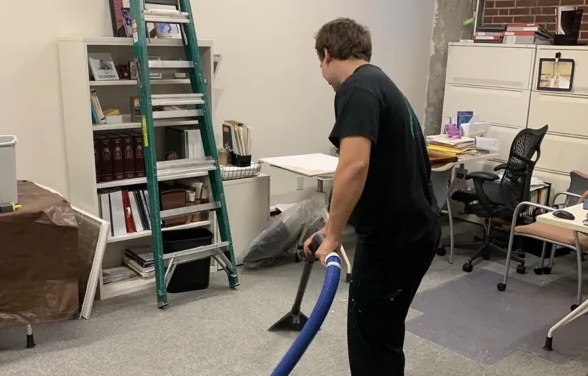
Water Damage Restoration Response in Snohomish County
In Everett, water can damage building materials and indoor air. Local water damage pros restore homes and businesses, cleaning up sewage backups and drying the structure.
The Water Damage Restoration Process in 98203, WA
Storm Damage Repair
Storm damage repair fixes a property's structure and finishes after initial drying. It involves carpentry, drywall, painting, and flooring work. The pros in Everett manage these projects to completion.
Sewage Cleanup
Sewage is Category 3 water. Cleanup includes removing the sewage, disinfecting surfaces and drying the area in Everett.
Water Damage Repair
Water damage repair fixes or replaces materials permanently affected by moisture. It transforms a dried, damaged space back into a finished room.
Flood Cleanup
When water comes in from outside, soaked materials are removed and the area is cleaned and dried in Everett.
Water Removal
Quick water removal in Everett extracts standing water using powerful pumps. This first step helps prevent further damage to floors and base materials.
Symptoms Requiring Water Damage Restoration in 98203
Sagging or Bubbling Drywall
Drywall that swells, sags or bubbles has absorbed a lot of water and needs drying or removal.
Water Stains on Ceilings
Yellow or brown ceiling stains indicate an ongoing water leak from above. The pros should inspect to identify the hidden source.
Visible Mold Patches
Any visible mold, especially after a leak, means moisture has stayed long enough for spores to grow.
High Indoor Humidity Levels
A consistently sticky, humid feeling indoors can indicate poor drying. Professionals use tools to measure and correct moisture levels.
How Water Damage Restoration Works in 98203
Step 1: First Call and Inspection
An inspection after your call finds the type of water and how far it spread.
Step 2: Bulk Water and Sewage Cleanup
All bulk water, including hazardous Category 3 water from sewage backups, is removed. Specialized sewage cleanup protocols are used for safety.
Step 3: Detailed Moisture Removal
Moisture trapped in subfloors, drywall and insulation is pulled out with targeted drying.
Step 4: Property Restoration Completion
The final phase involves repairing or replacing damaged structural elements and finishes, with the goal of a dry, usable property.
Leading Causes of Water Damage in 98203
Sewer Line Backups or Overflows
Blocked main sewer lines or septic failures can push sewage up into the home through drains.
Appliance Malfunctions and Leaks
Water heaters, washing machines, dishwashers and refrigerators can leak or overflow suddenly and flood the floor.
Fire Suppression System Activation
Fire sprinklers that discharge during a fire or by accident put a lot of water into a building.
Natural Flooding From Heavy Rain
Heavy rain can overwhelm drainage and send surface water inside through doors and low spots.
Water Damage Restoration for All Property Types in 98203
Residential Water Damage Restoration
At home, cleaning up a flooded basement protects the foundation and removes electrical hazards. Pros pump out the water, start drying and check for mold.
Commercial Water Damage Restoration
Restaurants, hotels and clinics have strict health rules after water damage. Sewage backups need cleaning and disinfection, with extra care in kitchens and patient areas.
Water Damage Restoration vs. DIY: When to Call Local Pros
After heavy rain, check attics, basements and crawlspaces for new moisture and clear gutters and downspouts. Dripping, wet insulation or puddles need water extraction soon.
Factors in Water Damage Restoration Pricing for 98203
In Everett, the materials involved affect the price. Drywall is simpler to dry or replace than hardwood or cabinets, which may need refinishing or replacement.
Content Pack-Out Needs
The cost includes labor for moving, cleaning, and storing furniture and personal belongings to facilitate the flooded basement cleanup and drying process.
Affected Materials
Restoration costs vary if water damages drywall, hardwood floors, or custom cabinetry, as each material has different repair or replacement requirements.
Area Accessibility
Difficult-to-access areas like crawl spaces or attics may require specialized equipment, increasing the time and cost for the experts to complete the work.
Does Insurance Cover Water Damage Restoration?
For storm damage, check whether wind-driven rain or hail is covered. The pros record the damage with photos and notes, giving you a file to submit to your insurer.
Benefits of Local Pros for Water Damage Restoration in 98203
Contamination Safety Protocols
For sewage or dirty flood water, the pros wear protective gear and treat surfaces to reduce health risks.
Advanced Moisture Detection
Thermal cameras and moisture meters let the pros find hidden water in walls and subfloors so drying is complete.
Integrated Service Approach
One set of pros handle the job from the first water removal to the final repairs.
Emergency Water Damage Restoration Response for 98203
Water intrusion doesn't wait for business hours. Whether it's a burst pipe or storm flooding, you need help now. Call (360) 685-7801 for 24/7 emergency water removal services from the pros serving Everett.
Call Now (360) 685-7801Providing Water Damage Restoration to 98203 and Nearby
From Everett to Fobes Hill, Mukilteo and West Lake Stevens, the pros dry wet carpet and structures and repair storm damage.
Common Water Damage Restoration Queries Answered
What does storm damage restoration involve?
It handles water that wind or rain let in, combining water removal, drying and repairs to the roof or siding.
How quickly should water extraction begin after a flood?
As soon as it is safe. Standing water speeds up damage, and mold can start within 24 to 48 hours.
What is Category 3 water during sewage cleanup?
Category 3 water is grossly contaminated, containing pathogens, as from sewage backups, flooding from rivers, or standing water that has become stagnant.
Why can mold become a problem after water damage?
Mold can grow in damp materials within 24 to 48 hours. If moisture remains after drying, mold removal may be needed.
What happens during the flood cleanup process?
Flood cleanup starts with pumping out standing water. Then, mud and debris are removed. The area is cleaned and disinfected.