ZIP 98207 · Everett, WA · Snohomish County
Storm Damage Restoration in 98207Debris Removal After Storm & Storm Damage Water Extraction
Storm Damage Restoration for Everett homes covers storm flooded basement cleanup, wind-driven rain drying and emergency roof tarping.
Answered 24/7
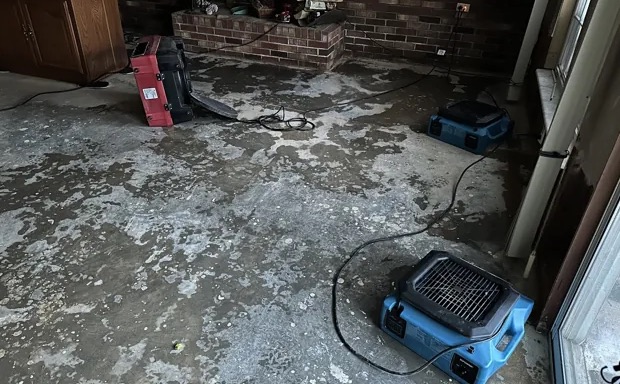
Storm Damage Cleanup and Drying in 98207
Water from a storm can keep coming in after the rain stops, through a roof that is still open or a window that is still broken.
Storm Damage Restoration Services in 98207
Debris Removal After Storm
Mud, broken glass, wet insulation and branches that came into the house are cleared so extraction and drying can reach the floors and walls.
Storm Damage Water Extraction
Rainwater that came in through a roof, window or door is removed from floors, carpet and the space under cabinets before it soaks into walls.
Hail Damage Leak Cleanup
After a hailstorm, leaks may not show for days. Ceiling stains and wet insulation are checked and dried, and the damaged spots are noted for the roofer.
Emergency Roof Tarping
When wind or a fallen branch opens the roof, a tarp is fastened over the damage as a stopgap until a roofer makes the repair.
Wind-Driven Rain Drying
When high winds drive rain into a home, water often runs down inside exterior walls. Meters find it, and drywall is opened where needed to dry it.
When Storm Damage Needs Professional Cleanup
Mud or Debris Indoors
Mud, leaves or glass inside the house mean storm water came in from outside and floors need cleaning as well as drying.
Musty Smell After Heavy Rain
A damp smell that was not there before the storm usually means wet insulation, carpet pad or wall cavities.
Dripping From Light Fixtures
Water coming through a light or fan means it has pooled above the ceiling. Turn off that circuit and keep people clear.
Wet Carpet Near Windows and Doors
Damp carpet or swollen flooring along exterior walls shows that rain was driven in around frames or under doors.
How Storm Damage Restoration Works in 98207
Step 1: Safety Check
Power to wet areas is shut off and damaged ceilings or broken glass are marked so no one gets hurt during the work.
Step 2: Extract the Water
Standing water is pulled from floors and carpet, and water above ceilings is drained so it does not keep dripping.
Step 3: Wind-Driven Rain Drying
Exterior walls that took wind-driven rain are checked with meters and opened where needed so the cavities can dry.
Step 4: Final Readings
When walls, floors and framing read dry, equipment is removed and repairs to the roof, windows and drywall can go ahead.
Typical Storm Damage in 98207, Washington
Hail Impact
Hail cracks shingles, skylights and vent caps, opening small gaps that leak during the storms that follow.
Wind-Driven Rain
Strong winds push rain sideways into window frames, vents and siding joints that keep out normal rain.
Power Outages
Storms that knock out power stop pumps and dehumidifiers, so water that gets in stays longer than it otherwise would.
Roof Damage From Wind
High winds lift and tear shingles and flashing, exposing the roof deck to rain that soaks into the attic.
Storm Cleanup for 98207 Homes and Commercial Buildings
Residential Storm Damage Restoration
When a storm opens a roof, water can reach the attic, the ceiling and the rooms below. The pros dry each level and point out wood that looks soft for the roofer.
Commercial Storm Damage Restoration
Flat commercial roofs can leak across a wide area during a storm. The pros remove wet ceiling tiles, extract the water and dry the space around business hours.
When Storm Damage Is Too Big for DIY
A wet-dry vacuum can pick up small amounts of water from hard floors. Soaked carpet, walls and ceilings need extraction and drying equipment to dry fully.
Factors in Storm Damage Cleanup Cost in 98207
The cost of storm damage restoration in Everett depends on how many rooms got wet, whether the roof or windows need covering and how long drying takes.
Rooms Affected
Each wet room needs extraction, drying equipment and moisture checks, so the number of rooms sets much of the cost.
Drying Time
Each extra day of air movers, dehumidifiers and moisture checks adds to the cost, especially in wet attics and wall cavities.
Board-Up and Tarping
Covering broken windows, doors and roof openings adds materials and labor before drying can start.
Does Insurance Cover Storm Damage Restoration?
Report storm damage to your insurer soon. Photos of the damage, the moisture readings and receipts for emergency work help the adjuster review the claim.
What Local Pros Bring After a Storm in 98207, WA
Dirty Water Handled Safely
Water that came in from outside is treated as dirty, with soaked porous materials removed and surfaces cleaned.
Homes and Businesses
The same steps apply to houses, condos, stores and offices, scaled to the size of the building and the damage.
Records for Your Claim
Photos, readings and a list of removed materials give your adjuster a clear picture of the storm damage inside the house.
24/7 Emergency Storm Damage Restoration in 98207
Do not wait for the next storm to deal with an open roof or broken window. Call (360) 685-7801 so the openings are covered and the inside can dry.
Call Now (360) 685-7801Areas Served for Storm Damage Restoration Near 98207
Homes in Everett and nearby places such as Fobes Hill, Mukilteo and West Lake Stevens can get help with board-up, tarping, water extraction and drying after storms.
Storm Damage Cleanup Questions Answered
What is emergency board-up?
Plywood is fastened over broken windows and doors so rain and wind stay out and the home is secure while it dries.
Does insurance cover storm damage?
Many policies cover damage from wind and hail. Flooding from rising water outside usually needs a separate flood policy. Your insurer decides coverage.
Can storm damage lead to mold?
It can if materials stay wet for a day or two. Prompt extraction, removal of soaked insulation and measured drying keep that from happening.
How soon should storm cleanup start?
As soon as it is safe. Wet drywall, carpet and insulation can start to grow mold in 24 to 48 hours, and open roofs and windows let in more rain.
How long does it take to dry a home after storm damage?
Drying often takes several days, depending on how many rooms got wet and how much insulation and drywall came out. Moisture readings decide when it is done.