ZIP 98206 · Everett, WA · Snohomish County
Storm Damage Restoration in 98206Emergency Roof Tarping & Wall Cavity Drying After Storms
Storm Damage Restoration for Everett properties includes storm flooded basement cleanup, debris removal after storm and storm damage water extraction.
Answered 24/7
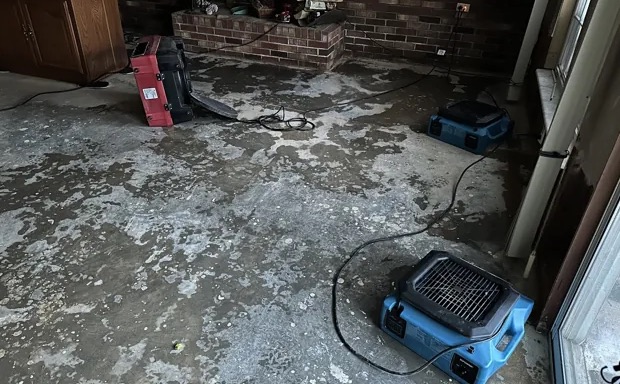
Help With Storm Damage in 98206
Storm Damage Restoration covers the inside of a home or business after a storm: removing water and debris, drying the structure and securing openings.
What Storm Damage Restoration Covers in 98206
Emergency Roof Tarping
When wind or a fallen branch opens the roof, a tarp is fastened over the damage as a stopgap until a roofer makes the repair.
Wall Cavity Drying After Storms
When siding is torn or cracked in a storm, rain gets into the wall. The inside is dried while the outside is covered until it can be repaired.
Wind-Driven Rain Drying
Wind-driven rain soaks the windward side of a house first. Drying focuses on those walls, the window sills and the carpet along them.
Storm Flooded Basement Cleanup
Storm water that floods a basement is pumped out, wet carpet and drywall are removed and the slab and walls are cleaned and dried.
Storm Damage Water Extraction
After a storm, water is extracted room by room with pumps and extractors, starting with the areas where it is deepest.
When Storm Damage Needs Professional Cleanup
Missing or Lifted Shingles
Shingles on the lawn or lifted at the edges after a storm mean the roof deck is exposed to the next rain.
Broken Windows or Doors
Any broken glass or damaged door lets rain and wind in. The opening needs to be covered before drying can work.
Musty Smell After Heavy Rain
A damp smell that was not there before the storm usually means wet insulation, carpet pad or wall cavities.
Wet Attic Insulation
Damp or matted insulation in the attic after a storm means rain is getting past the roof deck.
How Storm Damage Restoration Works in 98206
Step 1: Protect Belongings
Furniture, electronics and stored items in wet rooms are moved, raised or covered before extraction begins.
Step 2: Extraction Room by Room
Water is removed from each affected room, and wet carpet that cannot be saved is pulled up.
Step 3: Wall Cavity Drying After Storms
Water behind siding and inside exterior walls is found with meters and dried through small openings or removed baseboards.
Step 4: Verify and Close Out
Final readings and photos are recorded for each room, so you and your insurer can see the drying results.
Typical Storm Damage in 98206, Washington
Fallen Trees and Limbs
Branches and trees that fall on a house can open the roof or break windows, letting rain straight in.
Wind-Driven Rain
Strong winds push rain sideways into window frames, vents and siding joints that keep out normal rain.
Hail Impact
Hail cracks shingles, skylights and vent caps, opening small gaps that leak during the storms that follow.
Flying Debris
Outdoor furniture, signs and branches carried by wind can break glass and doors and let rain into the home.
Storm Cleanup for 98206 Homes and Commercial Buildings
Residential Storm Damage Restoration
In condos and townhomes, storm water can come through a neighbor's unit or a shared roof. The pros dry each affected unit and record what they find in each.
Commercial Storm Damage Restoration
Stores and offices with broken glass get boarded up for security, and wet stock and furniture are moved before extraction and drying begin.
Storm Damage Restoration vs. DIY: When to Call Storm Water Damage Pros
Keep receipts for tarps, plywood and any supplies you buy after the storm. Many policies cover reasonable steps taken to prevent more damage to the home.
Storm Damage Restoration Cost in 98206, WA
Storm water from outside can carry dirt, which means more cleaning and sometimes more material removal than a clean water leak.
Board-Up and Tarping
Covering broken windows, doors and roof openings adds materials and labor before drying can start.
Timing of the Work
Work during or right after a storm, at night or on a weekend, can carry a higher rate than scheduled work.
Basement Flooding
Pumping out a flooded basement and removing wet finishes adds equipment and labor to the job.
Does Insurance Cover Storm Damage Restoration?
Some policies have a separate wind or hail deductible. Read yours or ask your agent so you know what to expect before work begins.
Why Call Local Pros for Storm Damage Restoration in 98206
Hidden Water Found
Moisture meters and thermal cameras find water in walls, attics and under flooring that is not visible after a storm.
Records for Your Claim
Photos, readings and a list of removed materials give your adjuster a clear picture of the storm damage inside the house.
Dirty Water Handled Safely
Water that came in from outside is treated as dirty, with soaked porous materials removed and surfaces cleaned.
Around-the-Clock Storm Cleanup in 98206
Storm water inside your Everett home? Call (360) 685-7801 24/7. The pros can board up openings, tarp the roof and start extraction once it is safe.
Call Now (360) 685-7801Areas Served for Storm Damage Restoration Near 98206
Homes in Everett and nearby places such as Fobes Hill, Mukilteo and West Lake Stevens can get help with board-up, tarping, water extraction and drying after storms.
Common Questions After Storm Damage
What is emergency board-up?
Plywood is fastened over broken windows and doors so rain and wind stay out and the home is secure while it dries.
What records will I get for my insurance claim?
Photos of the damage, daily moisture readings and a list of removed materials, which you can share with your adjuster.
Can hail damage cause leaks later?
Yes. Hail can crack shingles, skylights and vent caps, and those cracks may not leak until the next heavy rain.
How do the pros find water inside walls after a storm?
They use moisture meters and thermal cameras along exterior walls, under windows and in the attic to find water that is not visible.
How soon should storm cleanup start?
As soon as it is safe. Wet drywall, carpet and insulation can start to grow mold in 24 to 48 hours, and open roofs and windows let in more rain.