Concrete, WA · Skagit County
Water Damage Restoration in Concrete, WAMold Remediation & Storm Damage Repair
Water Damage Restoration in Concrete covers water extraction, flood cleanup and structural drying from local restoration pros, 24/7.
Answered 24/7
Get Water Damage Restoration in Concrete, Washington Today
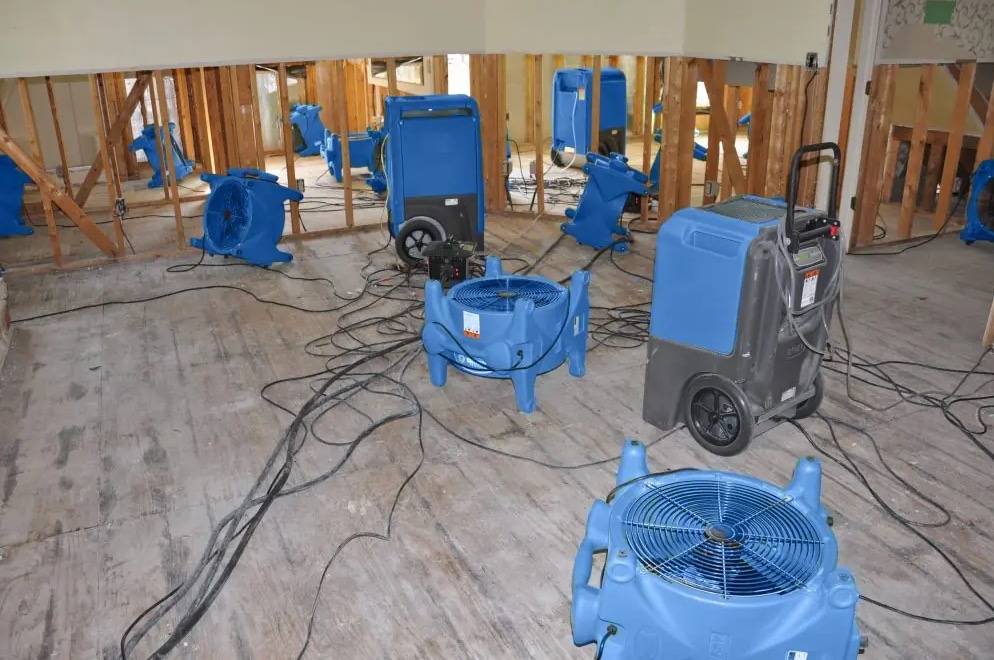
After heavy rain in Concrete, water can come through a roof, around a window or under a door. Local restoration pros remove the water, open wet areas where needed and set up drying equipment.
A roofer or contractor handles the repair to the roof or opening, and the pros handle the water damage inside.
For businesses in Concrete and nearby Rockport, Hamilton and Marblemount, downtime is the main cost of water damage. The pros bring industrial pumps and drying equipment sized for large spaces.
Water Damage Restoration Services in Concrete
Each service below has its own page covering the warning signs, the work involved and what affects the cost.
Water Damage Services in Concrete
Help for leaks, burst pipes, flooded rooms and wet ceilings, from water extraction to structural drying.
Indicators You Require Water Damage Restoration in Concrete
Sewage Backup in Basement Drains
Wastewater coming up through floor drains is a health hazard. Keep people and pets away from it.
Warped or Buckling Hardwood Floors
Wood floors that cup or separate have absorbed water. Caught early, controlled drying can often save the boards.
Active Dripping From Light Fixtures
Water dripping from a ceiling light is an electrical emergency. Shut off power to that area before anything else.
Unusual Water Stains on Ceilings
Discolored patches or rings on the ceiling usually mean a slow leak from a pipe or the roof above.
Soggy or Stained Carpet Padding
Carpet that stays damp for days ruins the pad and can rot the subfloor beneath it.
How Water Damage Restoration Works in Concrete
Step 1: Site Inspection and Moisture Mapping
Moisture meters and thermal cameras show how far the water went, and the readings become a moisture map for the job.
Step 2: Water Removal Process
Submersible pumps and wet vacuums remove water from carpet, under flooring and other hard-to-reach spots.
Step 3: Targeted Drying and Monitoring
Drying equipment goes where the moisture map shows water, and pros adjust it each day as readings change.
Step 4: Mold Prevention and Cleanup
As drying finishes, surfaces are treated to slow mold growth. Any existing mold is removed under containment.
Typical Causes of Water Damage in Concrete
Burst or Leaking Supply Lines
High water pressure, corrosion or a loose fitting can make a pipe fail and release water fast.
Appliance Malfunctions and Failures
Water heaters, washing machines and dishwashers leak or overflow when hoses wear out or parts fail.
Severe Weather and Heavy Rainfall
Driving rain can push water past roofs, windows and foundations and flood rooms inside.
Overflowing Bathtubs or Toilets
A clogged toilet or a tub left running can send gallons of water across floors and into the rooms nearby.
Faulty or Clogged Gutters
Gutters that overflow or pull loose dump water right beside the foundation, where it can seep in.
Water Damage Restoration for All Properties in Concrete
Residential Water Damage Restoration
In multi-story homes, water travels down through every level, so drying starts on the top floor and works down, with equipment set on each wet floor.
Commercial Water Damage Restoration
Water in a commercial ceiling can collapse tiles, ruin lighting and short HVAC controls. Pros remove the water, dry the ceiling space and point out the roof or envelope problem so it can be repaired.
Water Damage Restoration: What to Handle Yourself and What to Leave to Pros
You can mop a minor clean-water spill on a hard floor. Do not clean up a toilet overflow or sewage backup yourself; sewage carries harmful bacteria. Call the pros for sewage cleanup.
Estimating Water Damage Restoration Expenses in Concrete
Home costs in Concrete depend on the repairs needed after drying, from a little paint to new walls or subfloor.
Water Contamination Category
Clean water from a supply line is simplest. Grey water from appliances and black water from sewage need disinfection and protective gear, which costs more.
Required Drying Equipment
The number of air movers and dehumidifiers on site, and how many days they run, affect the price.
Access and Containment
Crawl spaces and wall cavities are harder to reach and may need extra access work or containment.
Affected Square Footage
The larger the wet area, the more labor, equipment and drying days the job needs.
Does Insurance Cover Water Damage Restoration?
Storm coverage depends on whether wind, hail or water caused the loss; your declarations page lists covered perils. Pros in Concrete photograph the damage and log moisture readings.
Why Training and Equipment Matter for Water Damage Restoration
Containment Protocols
Plastic barriers keep dust, spores and odors out of the rest of your Concrete home during the work.
IICRC-Standard Drying Methods
Pros follow industry drying standards and dry both the materials and the air, which helps prevent mold and weakened framing.
Mold Prevention Focus
Fast drying and EPA-registered antimicrobials, where needed, help keep mold from taking hold.
Sewage Cleanup Safety
For sewage backups, the pros use protective gear and disinfectants to deal with the contamination safely.
Emergency Water Damage Restoration Available in Concrete
Water spreads fast once it is inside. For 24/7 emergency service in Concrete, call the experts at (360) 685-7801.
Call Now (360) 685-7801Frequently Asked Questions About Water Damage Restoration
What is the first step in water damage restoration?
Removing the standing water. Extraction stops it from soaking further into floors, walls and belongings.
What are the signs of hidden water damage?
Musty odors, peeling paint or wallpaper, warped floorboards, sagging ceilings and visible mold spots.
How do restoration pros document the damage?
Photos, video, written logs and moisture maps from meters and thermal cameras, kept for the job and your insurance claim.
Is sewage backup cleanup dangerous to attempt myself?
Yes. Sewage carries bacteria and viruses, and cleanup needs protective gear, disinfectants and containment.
How long does structural drying typically take?
Usually three to five days with industrial equipment. Heavy saturation, dense materials or high humidity can stretch it longer.
What equipment is used for water extraction?
Truck-mounted or portable submersible pumps for deep water and wet vacuums for carpet and hard floors.
All Restoration Services in Concrete, WA
Local Water Damage Restoration Areas Including Concrete
Other places served are listed below, each with its own page.